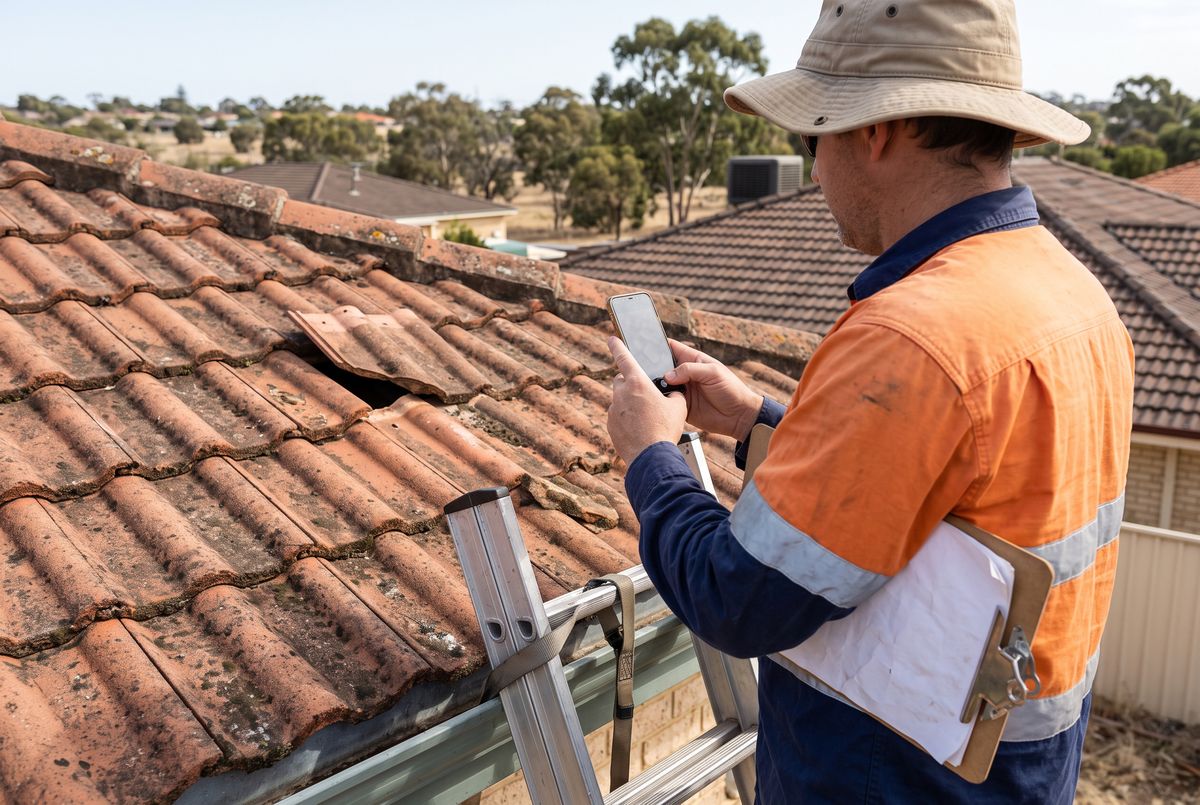
Roofing quotes rarely arrive in the same format. One contractor sends a single page with a total, another sends four pages of line items and photos, and a third quotes a “package” with a brand name. Putting them in one table is the quickest way to see whether you are being offered the same job at different prices, or different jobs that happen to share a heading.
Consumer Protection WA suggests getting at least three written quotes before you agree to work. This guide gives you a template for comparing them and explains what to do when a row is blank.
Why do quotes for the same roof differ so much?#
Quotes differ mostly because each contractor has decided on a different scope. Before any price is worked out, someone has judged how many tiles are broken, whether the ridge caps need resetting or just new pointing, whether the valleys are sound and how the crew will get up safely. Each of those judgements moves the total.
Other differences come from how the quote is written. Some contractors include scaffolding, disposal and GST in one figure; others list them separately or leave them out, and some use allowances for uncertain items. None of this is wrong, but it means the totals are not yet comparable.
What should you do before comparing prices?#
Get every contractor quoting from the same starting point. Give each one the same description of the problem, the same photos taken from the ground or inside, the same access information (such as a two-storey side or solar panels) and, if you have one, the same pages of a building inspection report.
Then ask for the quotes in writing. Consumer Protection notes that a quote becomes a binding contract once you accept it, so the document needs to say what is included. Its guidance lists what a written quote should show: the tradesperson’s contact details, ABN and licence number where one applies, a description of the job, materials, labour, the time needed, call-out fees, any weekend rates and any potential extra work that could cost more.
How do you compare roofing quotes side by side?#
Copy this table into a notes app or print it, then fill each cell from the written quote only. If something is not in writing, mark it “not stated” rather than relying on what was said on site.
| Item | What to look for | Quote A | Quote B | Quote C |
|---|---|---|---|---|
| Findings | What was found and where, ideally with photos | |||
| Repairs by item | Each repair listed separately: tiles, ridges, valleys, flashings, gutters | |||
| Materials and products | Product names, tile or sheet type, colour, coastal-grade metal if relevant | |||
| Coats and system | Primer or sealer, number of coats, membrane or paint | |||
| Access and safety | Scaffolding, edge protection, roof anchors, who supplies them | |||
| Exclusions | What is listed as not included | |||
| Variations process | How extra work is quoted and approved before it starts | |||
| Warranty | Workmanship warranty in writing, plus any product warranty conditions | |||
| Payment terms | Deposit, stage payments, final payment trigger | |||
| GST | Included in the total or added on top | |||
| Start and duration | Expected start date, working days and how weather delays are handled |
- Fill in what is written. Work through one quote at a time and copy the details into its column.
- Mark the gaps. Any blank or “not stated” cell is a question to send back to that contractor.
- Ask for the gaps in writing. A short email listing the missing rows usually gets a revised quote or a clear answer.
- Compare scope first, then price. Once the rows line up, the totals start to tell you something.
Our questions to ask a roofer guide has wording for those follow-ups.
Why can the cheapest quote be a smaller job?#
A low total often reflects work that has been left out, priced as an extra or reduced in quantity. That can be reasonable if the roof genuinely needs less, but you should be able to see the difference on paper. Common examples:
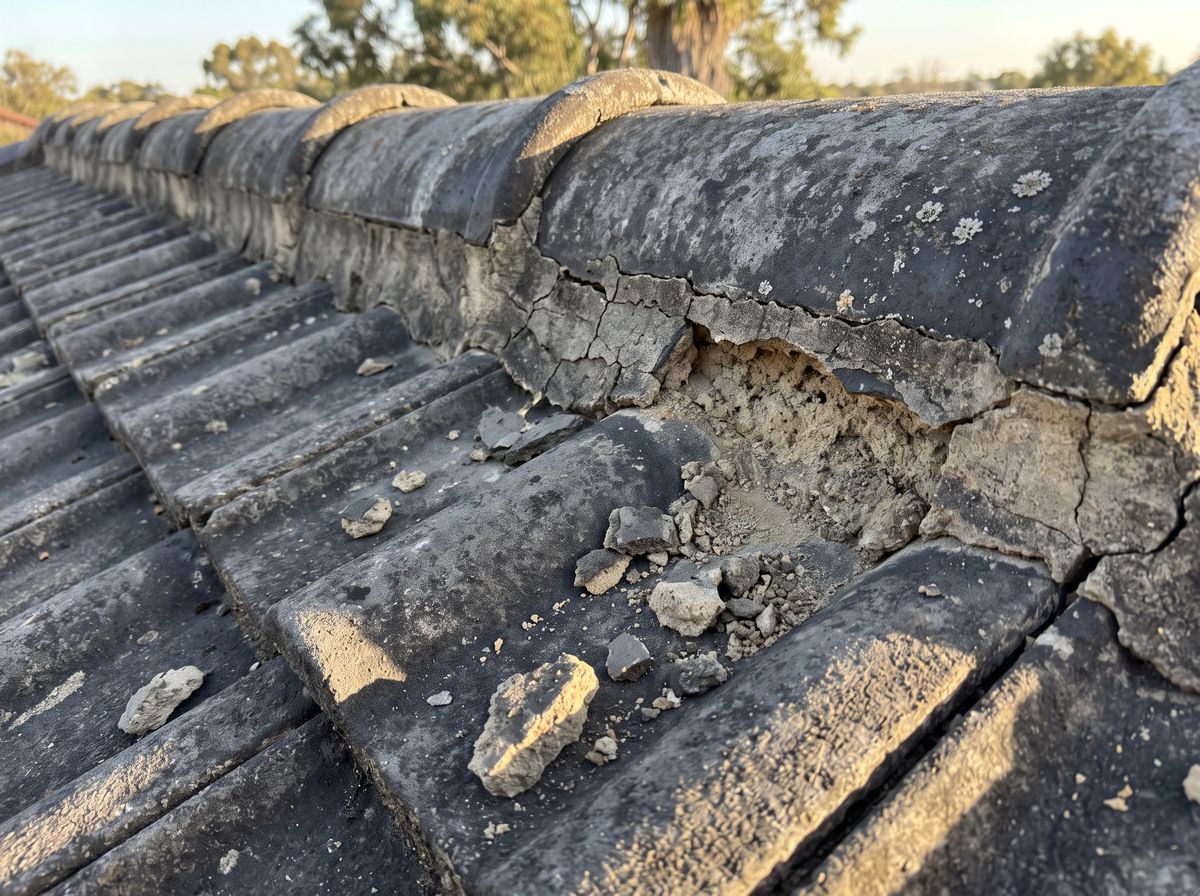
- Repointing instead of rebedding. New pointing over old bedding is less work than lifting and resetting the caps. Which one suits depends on the condition of the bedding underneath, which our repointing page explains.
- A small tile allowance. A quote may include a handful of replacement tiles and charge a rate for the rest, which only shows up on the final invoice.
- Fewer coats or no primer. A single coat can look similar on the day but is not the same coating system as a primer plus two coats. See roof painting for what to ask.
- Access left out. Scaffolding or edge protection on a two-storey home is a real cost. If one quote omits it, ask how the crew will work safely.
- Valleys, flashings or gutters excluded. A restoration that does not touch rusted valley irons may leave the most likely leak point as it was.
- GST added on top. Consumer Protection says it is best practice to show a total including GST, and suggests asking before you accept.
The reverse also happens. A higher quote may include a building permit, a structural check or a registered builder because the job needs one. Our guide to building permits for roof work explains when that applies.
What warning signs should you look for?#
Consumer Protection WA warns against open-ended contracts, because prices and conditions can change without your agreement. Its guidance is to pay only a small deposit, generally no more than 10 per cent of the total price, and not to pay the whole amount before the job is finished. For home building work contracts between $7,500 and $500,000 the deposit limit is 6.5 per cent.
- A request for a cash deposit, or for full payment before work begins.
- Refusal to provide a written quote, or a quote with no business details.
- A deposit above the guidance, or above the legal limit for contracts in the $7,500 to $500,000 range.
- Pressure to sign on the spot, especially from someone who knocked on your door uninvited.
- A total with no breakdown and no list of what is excluded.
- Vague wording such as “repairs as required” with no quantities or approval process.
If a salesperson approached you uninvited and you signed at home, you generally have 10 business days to cancel under the Australian Consumer Law, and the supplier must not take payment or start work during that period. Our guide to roofing contracts and your rights in WA covers this, along with deposits and variations.
When is it worth paying more?#
Paying more makes sense when the extra money buys something you can identify in the scope. That might be a better-documented inspection with photos, a full rebed where the bedding has failed, scaffolding that makes the job safer, or a product suited to a coastal site. It is not worth paying more for a brand name or a longer headline warranty if the written terms do not say what is covered.
If the quotes are far apart, it may mean the contractors disagree about what the roof needs. That is worth resolving before you choose, either by asking each one to explain their findings or by getting an independent roof inspection. Our pages on roof repair costs and restoration costs explain the factors behind the totals.
Frequently asked questions
What if one roofing quote is much cheaper than the others?
Ask that contractor for an itemised scope and a list of exclusions, then compare it row by row with the others. A much lower total often means fewer repairs, a smaller tile allowance, fewer coats or access left out, or a different view of what the roof needs.
Is it fair to ask a roofer to match another quote?
You can ask, but it is more useful to ask why the quotes differ. Share the scope you want quoted rather than another contractor’s price, so each roofer is pricing the same work.
What does an allowance mean on a roofing quote?
An allowance is a set quantity or amount included in the price for work whose extent is not yet known, such as a number of replacement tiles. Work beyond the allowance is usually charged at a stated rate, so check the rate and how you will be told before it is used.
Do roofing quotes have to include GST?
Consumer Protection WA says it is best practice for a tradesperson to show a total including GST, and suggests asking whether GST is included or extra before you accept. Write the answer in your comparison table so every total is on the same basis.
Do roofing quotes expire?
They can. A quote or estimate may have an expiry date after which it is no longer valid, so check the date on each one and ask for an updated quote if materials or the roof’s condition may have changed.